How Integrated Logistics Services Improve Supply Chain Efficiency
In today’s fast-paced global economy, supply chains are becoming increasingly complex. Businesses are no longer looking for isolated services—they need seamless coordination across every stage of movement. This is where integrated logistics services play a critical role in improving efficiency, reducing costs, and ensuring reliability.
An integrated approach brings together transportation, warehousing, customs, and delivery into one cohesive system. For any logistics company in Saudi Arabia, this model is becoming essential to meet the growing demands of international trade and regional distribution.
What Are Integrated Logistics Services?
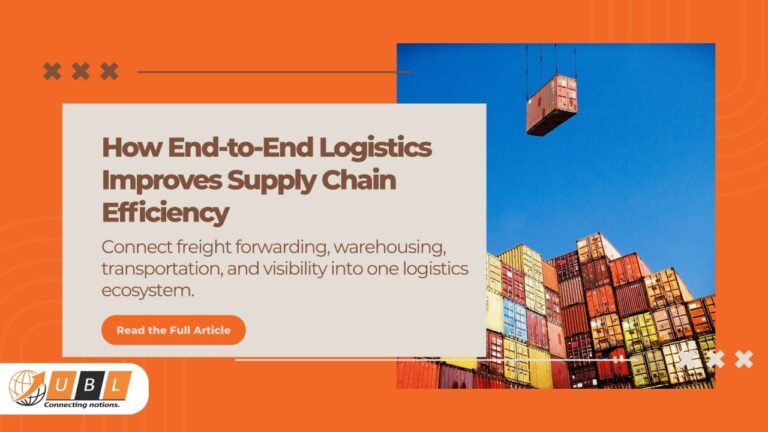
Integrated logistics refers to the consolidation of multiple supply chain functions under a single system or provider. Instead of managing separate vendors for transportation, storage, and compliance, businesses rely on a unified logistics services company to handle end-to-end operations.
This includes:
- Freight forwarding
- Warehousing and inventory management
- Custom clearance
- Last-mile delivery and road logistics
By combining these services, businesses gain better control over their supply chain while minimizing operational inefficiencies.
Enhancing Coordination Across the Supply Chain
One of the biggest advantages of integration is improved coordination. When different logistics functions operate in silos, delays and miscommunication are common. Integrated systems ensure that every stage of logistics transportation is aligned.
For example, when freight forwarders in Saudi Arabia coordinate directly with warehousing and customs teams, shipments move faster and with fewer disruptions. This level of synchronization improves delivery timelines and enhances overall supply chain performance.
Reducing Costs and Operational Complexity
Managing multiple service providers often leads to higher costs and fragmented operations. Integrated logistics simplifies this process by consolidating services under a single logistics provider.
This reduces:
- Administrative overhead
- Duplication of tasks
- Unexpected delays and penalties
With streamlined processes and optimized routing, businesses can significantly lower their logistics expenses while improving efficiency.
Improving Visibility and Decision-Making
Modern logistics solutions rely heavily on technology to provide real-time insights into supply chain operations. Integrated systems offer complete visibility—from shipment tracking to inventory status.
This transparency allows businesses to:
- Monitor performance
- Identify bottlenecks
- Make informed decisions quickly
A well-connected system ensures that all stakeholders have access to accurate data, improving responsiveness and planning.
Faster and More Efficient Freight Movement
Integrated logistics enhances the efficiency of freight forwarding logistics by ensuring smooth transitions between transport modes. Whether goods are moving via air, sea, or land, coordination between different stages reduces delays.
Efficient cargo logistics also ensures proper handling of goods, minimizing damage and ensuring timely delivery. Strong road logistics networks further support last-mile connectivity, enabling faster distribution across regions.
Streamlined Customs and Compliance
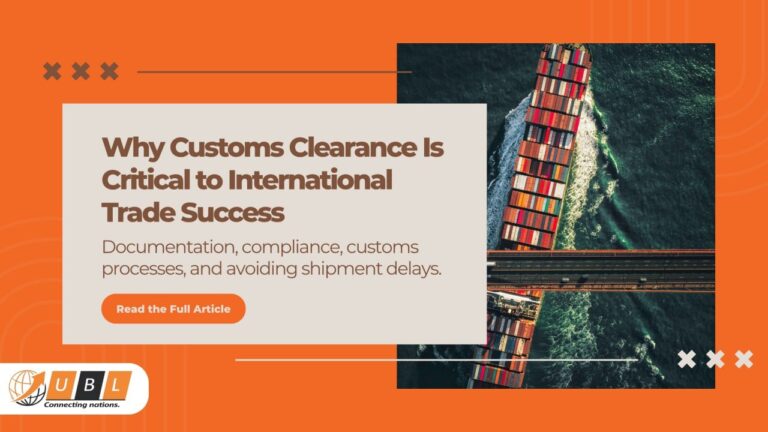
Regulatory processes are often one of the most challenging aspects of global trade. Integrated logistics providers simplify custom clearance by managing documentation, compliance, and approvals within a unified system.
This reduces errors, accelerates clearance times, and ensures that shipments move smoothly across borders.
The Future of Supply Chain Efficiency
As global trade continues to expand, businesses need more agile and responsive supply chains. Integrated logistics is no longer a luxury—it is a necessity.
A reliable logistics services company that offers end-to-end solutions can help businesses stay competitive by improving efficiency, reducing risks, and enhancing customer satisfaction.
Final Thoughts
Integrated logistics services are transforming the way supply chains operate. By combining coordination, technology, and expertise, businesses can achieve greater efficiency and reliability.
In a competitive market, success depends not just on moving goods, but on how effectively the entire system works together. Integrated logistics provides that advantage—turning complex supply chains into streamlined, high-performing networks.