The Expanding Role of Freight Forwarders in Saudi Arabia’s Trade Corridors
Saudi Arabia is rapidly emerging as a global trade hub, connecting Asia, Europe, and Africa through well-developed trade corridors. With increasing investments in infrastructure and logistics networks, the demand for efficient cargo movement has grown significantly. In this evolving landscape, freight forwarders in Saudi Arabia are playing a critical role in enabling seamless trade operations.
As global trade becomes more complex, businesses rely heavily on experienced partners who can manage transportation, documentation, and compliance. This is where a professional logistics company in Saudi Arabia adds immense value by ensuring goods move efficiently across borders.
Strengthening Trade Corridors Through Freight Forwarding
Freight forwarders act as the backbone of international trade by coordinating shipments across multiple transportation modes. Whether it is air, sea, or land, freight forwarding ensures that cargo reaches its destination in a timely and cost-effective manner.
Saudi Arabia’s strategic location has made it a central hub for global trade routes. With the expansion of ports, railways, and road networks, logistics transportation has become faster and more reliable. This has strengthened trade corridors and created new opportunities for businesses looking to expand their global reach.
A reliable logistics services company ensures that every stage of the shipment process is handled efficiently, from origin to final delivery.
The Role of Digital Transformation in Logistics
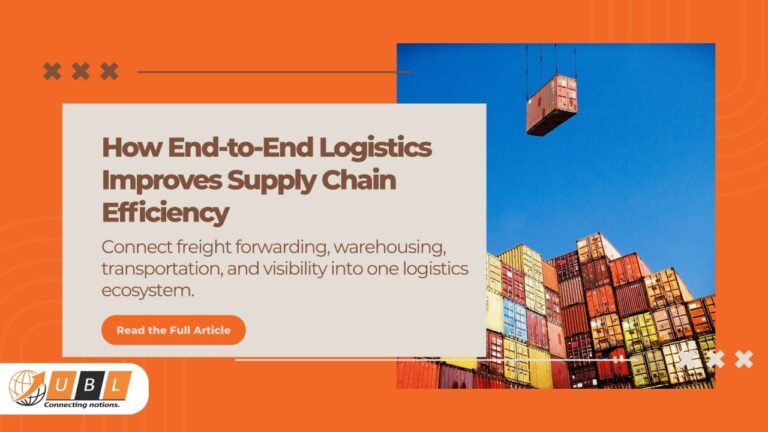
Technology is reshaping the logistics industry in Saudi Arabia. Modern systems now allow real-time tracking, automated documentation, and better communication between stakeholders. These advancements have enhanced the efficiency of logistics services and improved overall supply chain visibility.
For a logistics provider, digital tools help streamline operations, reduce delays, and optimize routes. This is especially important in managing complex supply chains that involve multiple checkpoints and regulatory requirements.
As a result, businesses can rely on advanced logistics solutions to improve delivery timelines and reduce operational costs.
Simplifying Customs and Regulatory Processes
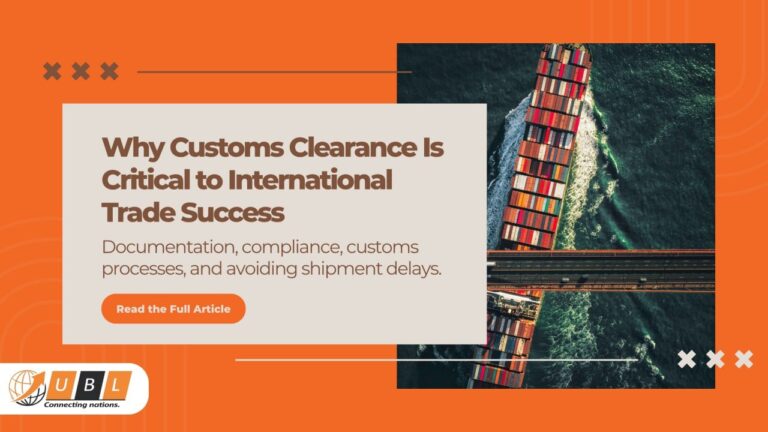
One of the most critical aspects of international trade is regulatory compliance. Freight forwarders play a key role in managing documentation and ensuring smooth custom clearance processes.
With Saudi Arabia adopting digital customs systems, clearance procedures have become faster and more transparent. This allows freight forwarding logistics providers to minimize delays and ensure timely delivery of goods.
Efficient customs handling not only saves time but also reduces the risk of penalties and shipment disruptions.
Enhancing Cargo Movement Across Land and Sea
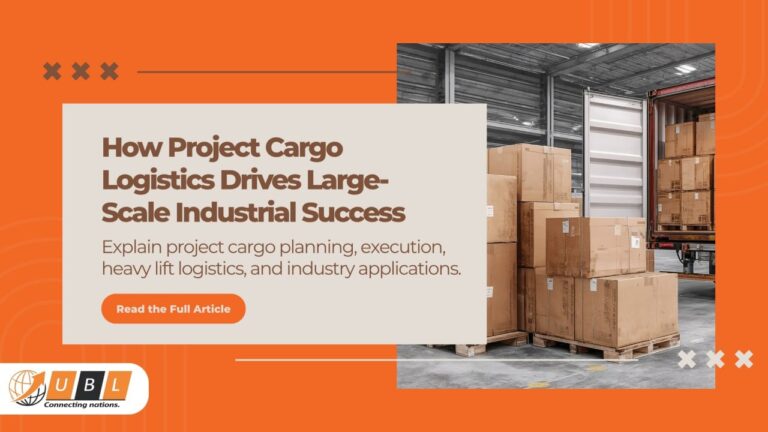
Freight forwarders are also essential in managing large-scale cargo logistics operations. From handling bulk shipments to coordinating specialized cargo, they ensure safe and efficient transportation.
Improved infrastructure has strengthened road logistics, allowing goods to move quickly between ports, warehouses, and distribution centers. This integrated approach enhances the efficiency of supply chains and supports business growth.
By combining different modes of transport, freight forwarders deliver comprehensive logistics solutions tailored to specific business needs.
Driving the Future of Trade in Saudi Arabia
As Saudi Arabia continues to invest in its logistics ecosystem, the role of freight forwarders will become even more significant. Their expertise in managing complex supply chains, regulatory requirements, and transportation networks makes them indispensable to global trade.
For businesses seeking reliable and efficient operations, partnering with a trusted logistics company in Saudi Arabia ensures smooth cargo movement and long-term success in international markets.
The future of trade in Saudi Arabia is closely tied to the growth of freight forwarders in Saudi Arabia, who will continue to drive innovation, efficiency, and connectivity across global trade corridors.