The Importance of Custom Clearance in International Trade Operations
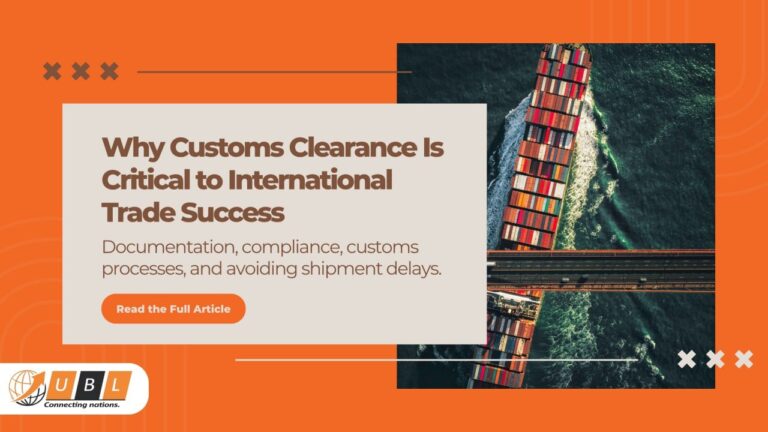
In the world of international trade, moving goods across borders involves more than just transportation. One of the most critical stages in the supply chain is custom clearance, a process that ensures shipments comply with regulatory requirements of the importing and exporting countries. Without efficient customs handling, even the most well-planned logistics operations can face delays, penalties, and disruptions.
For businesses engaged in global trade, working with a reliable logistics company in Saudi Arabia or a trusted global partner can make a significant difference in managing customs processes effectively.
Understanding Custom Clearance
Custom clearance refers to the process of preparing and submitting necessary documentation required to facilitate the import or export of goods. This includes verifying shipment details, calculating duties and taxes, and ensuring compliance with local laws and international regulations.
A professional logistics services company manages these processes as part of its integrated logistics services, ensuring that shipments move smoothly through ports, airports, and border checkpoints.
Why Custom Clearance Is Crucial
1. Ensures Regulatory Compliance
Every country has its own import and export regulations. Failure to comply can result in fines, shipment delays, or even confiscation of goods.
Experienced freight forwarders in Saudi Arabia understand these regulations and ensure that all documentation and procedures meet legal requirements. Their expertise in freight forwarding helps businesses navigate complex compliance frameworks with ease.
2. Reduces Delays and Disruptions
Delays at customs can disrupt entire supply chains. Efficient custom clearance ensures that shipments are processed quickly, minimizing waiting times at ports and borders.
When customs procedures are handled effectively, businesses benefit from faster delivery timelines and improved operational efficiency.
3. Optimizes Logistics Transportation
Smooth customs processes directly impact logistics transportation. Delays in clearance can lead to increased costs, missed deadlines, and operational inefficiencies.
A reliable logistics provider coordinates customs activities with transportation schedules, ensuring seamless movement of goods across different stages of the supply chain.
The Role of Freight Forwarding in Customs Management
Freight forwarders play a key role in managing customs procedures. Their expertise in freight forwarding logistics ensures that all documentation, duties, and compliance requirements are handled accurately.
By integrating customs management with transportation planning, freight forwarders simplify the entire process, reducing risks and improving efficiency. This integration is a core component of modern logistics solutions.
Enhancing Cargo Handling and Efficiency
Efficient customs clearance also supports better cargo logistics. Proper documentation ensures that goods are categorized correctly, handled appropriately, and processed without delays.
This is particularly important for specialized shipments such as perishable goods, hazardous materials, or high-value cargo, where compliance and timing are critical.
Supporting Road and Inland Logistics
Once goods clear customs, they must be transported to their final destination. Strong road logistics networks ensure smooth inland movement from ports and airports to warehouses and distribution centers.
Efficient coordination between customs clearance and inland transportation ensures that shipments continue moving without unnecessary interruptions.
Leveraging Technology for Faster Clearance
Modern logistics companies are increasingly using technology to streamline customs processes. Digital documentation, automated systems, and real-time tracking have improved the speed and accuracy of custom clearance.
A forward-thinking logistics provider uses advanced tools to enhance transparency, reduce errors, and ensure faster approvals. These innovations are transforming how businesses manage international trade operations.
Building Reliable Global Trade Operations
Custom clearance is not just a regulatory requirement—it is a strategic component of supply chain management. Efficient customs processes contribute to reliable delivery schedules, reduced costs, and improved customer satisfaction.
A trusted logistics services company combines expertise in customs, transportation, and cargo handling to deliver seamless end-to-end solutions. This integrated approach strengthens global trade operations and supports business growth.
Final Thoughts
In international trade, success depends on more than just moving goods—it depends on how efficiently every stage of the process is managed. Custom clearance plays a vital role in ensuring that shipments comply with regulations and move smoothly across borders.