Sustainable Logistics: How UBL Is Reducing the Carbon Footprint of Global Trade
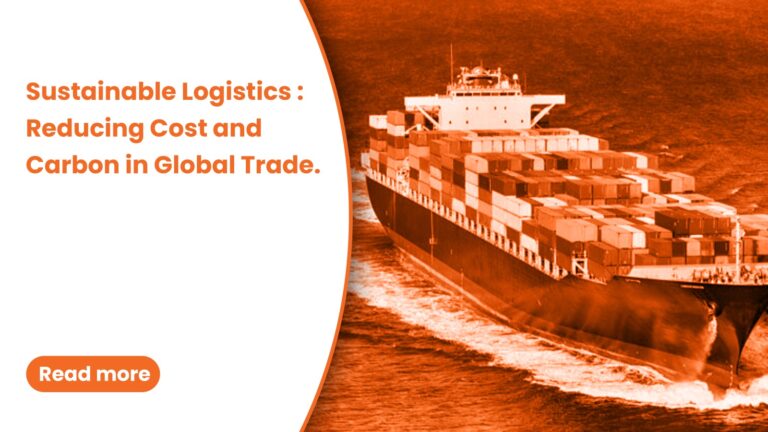
Global trade is growing faster than ever — but so is the responsibility to move goods without harming the planet. At UBL, sustainability is not an add-on; it is a core operational discipline shaping how we move cargo, plan routes, and optimize every mile.
- Smarter Routes, Lower Emissions
With real-time data, AI-based planning, and GPS-enabled fleet monitoring, UBL minimizes unnecessary mileage.
Shorter routes = lower fuel consumption = reduced CO₂ output.
This is how we make every trip cleaner and more efficient.
- Energy-Efficient Transport
UBL’s transport operations focus on fuel-efficient trucks, optimized load planning, and reduced empty returns.
By maximizing every shipment and avoiding half-loaded trips, we eliminate wasted energy and cut overall emissions.
- Greener Warehousing & Handling
Our terminals and warehouse operations integrate smart energy practices including:
- Controlled lighting systems
- Optimized equipment run-time
- Reduced idle operations
These small actions create measurable environmental impact across our global facilities.
- Sustainable Packaging & Cargo Solutions
We encourage clients to use:
- Recyclable packaging
- Space-optimized packing designs
- Lightweight materials that reduce load weight and fuel burn
Less weight and less waste mean a smaller carbon footprint per shipment.
- A Long-Term Vision for Responsible Trade
Sustainability is not a trend for UBL — it is part of how we build the future of global logistics.
By combining innovation, efficiency, and responsible operations, we aim to move cargo in a way that supports both global growth and environmental protection.
Efficient. Responsible. Forward-thinking.
That’s UBL’s approach to sustainable logistics in today’s evolving world.